




.svg)
.svg)

.svg)


.svg)





.svg)
.png?width=500&height=424&name=Style-1---V1-(1).png)
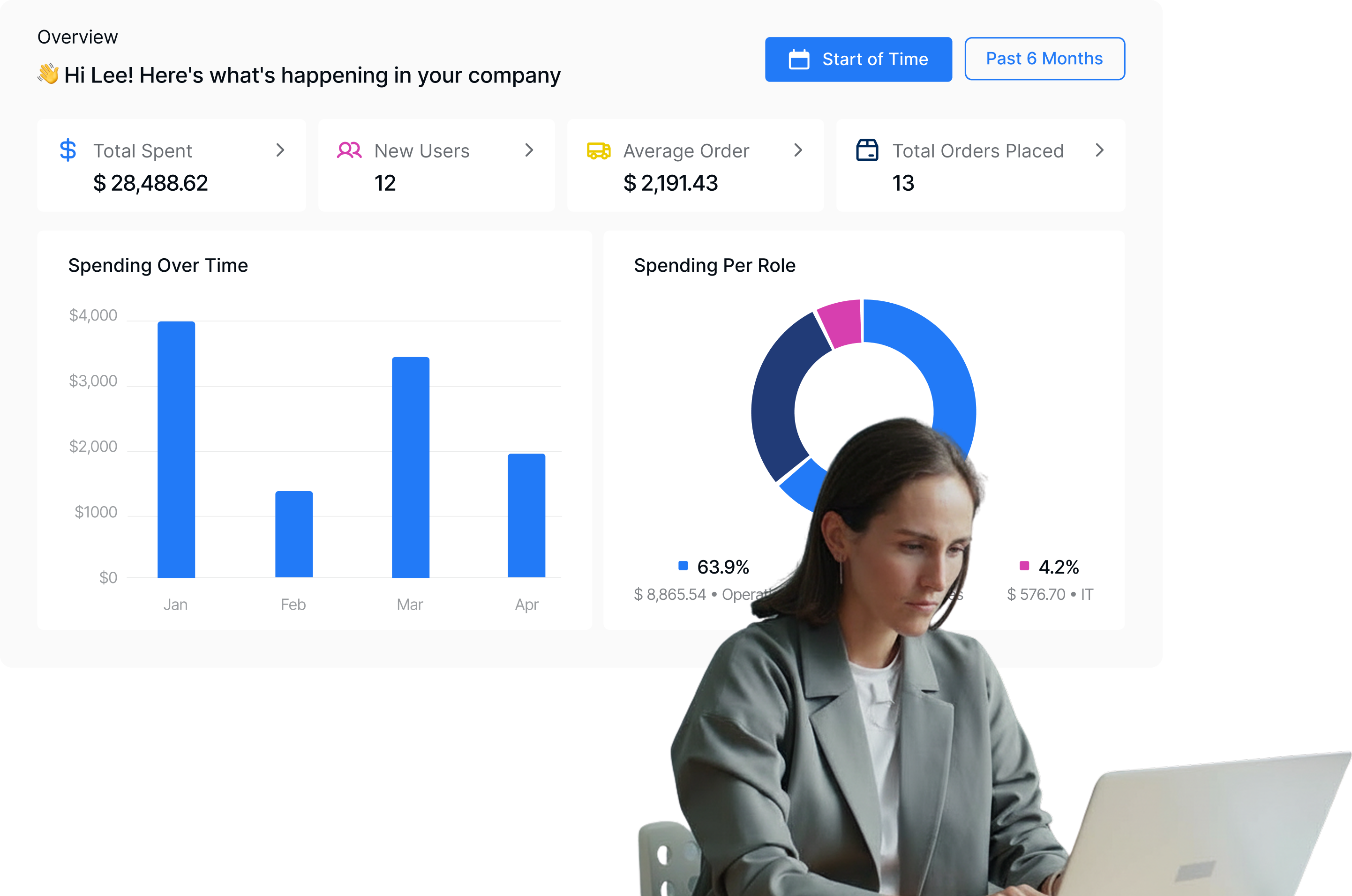
Stop explaining IT Cost overruns. Manage where every dollar goes.
Workwize gives you powerful technology expense management tools, pricing, centralized vendor management, and full visibility into every dollar spent.
.svg)
These teams stopped losing money by using our IT cost management tools

A one-stop-shop for your hardware lifecycle! We've swapped from working with three vendors across the globe to one singular place, which made it easier for our team, finance, and others to get timely updates on hardware orders, repairs, and offboarding.

.svg)
Workwize helps us reduce the time we waste ordering equipment. It also allows us to remove the previously relied-on MSPs to procure assets and will enable us to move IT services entirely in-house to save money on the IT budget.


What I like best about Workwize is the centralized governance of all our IT assets globally. The platform offers full traceability which is crucial for our internal audits and ISO 27001 compliance.

.svg)
Global onboarding is easier. Managing IT logistics for global hires was very hard before. Workwize solved that for us. Now our new employees are ready on day one with everything they need to work comfortably.


We are already seeing fruits of our labor, since nearly all our new assets are now ordered via Workwize and IT Team has drastically reduced time which was wasted on procuring the assets and its setup.
.svg)

Hardware costs shouldn’t surprise you at the end of the quarter.
.svg)
.svg)

Get ahead of hardware costs instead of explaining them over and over.
We combine asset lifecycle software with global on-ground logistics. Your hardware spend becomes visible, predictable, and optimized to reduce loss.
- Consolidate vendors and standardize pricing globally
- Get more value out of every device with refurb, resell and redeployment.
- Track every device cost from purchase to disposal
- Recover asset costs with automated retrievals
- Monitor spend across teams, regions, and time
Make hardware ops smoother and give IT its time back.
.png?width=400&height=453&name=Group%202147263093%20(2).png)
What changes for you in finance

.svg) without workwize
without workwize

.svg) With Workwize
With Workwize
End-to-end cost control for your hardware lifecycle.
.svg)
.svg) Pre-approved catalogs
Pre-approved catalogs

 Automated approvals
.svg)
 Audit-ready reporting

 Flexible purchasing
.svg)
-1.svg) Spend tracking and reporting
Spend tracking and reporting
.svg)
-1.svg) 100% Retrievals
100% Retrievals

.svg) Local vendor-to-
Local vendor-to-vendor network
.svg)
 Redeployment, recycling, and resale
Let employees order devices from region-specific catalogs with approved vendors and models.
.png?width=3408&height=1960&name=Visual%20(19).png)
Ensure purchases stay within budget and policy with automated approval workflows.
.png?width=1704&height=980&name=Visual%20(1).png)
Generate reports for finance reviews, audits, and forecasting
.png?width=2556&height=1470&name=Visual%20(20).png)
Lease, buy, or choose a hybrid model for your device fleet, on the same platform.
.png?width=2556&height=1470&name=Visual%20(21).png)
Track hardware costs across lifecycle, teams, and geographies on one dashboard.
.png?width=3408&height=1960&name=Visual%20(22).png)
Eliminate write-offs from lost or unreturned devices. Trigger retrieval automatically.
.png?width=3408&height=1960&name=Visual%20(23).png)
vendor network
Manage all suppliers and billing in one place. Avoid cross-border shipping and tariffs
.png?width=1704&height=980&name=Visual%20(11).png)
Recover value by refurbishing and reselling unused or offboarded assets.
.png?width=1704&height=980&name=Visual%20(12).png)


Built to control hardware spend. Especially at the global scale.
- Limited cost visibility
- No vendor standardization
- Hidden lifecycle costs
- Manual reporting
- Hard to scale globally
- Costs scattered across vendors and invoices
- Inconsistent pricing across regions
- Finance chases data across teams
- Lost devices increase spend
- Costs increase with complexity

- Full lifecycle cost visibility, always up to date
- Standardized vendors and pricing globally
- Real-time reporting. No manual work
- Track and optimize total cost per device
- Predictable pricing at any scale
Trusted by global IT teams to manage 120,000+ devices.
.svg)
.svg)
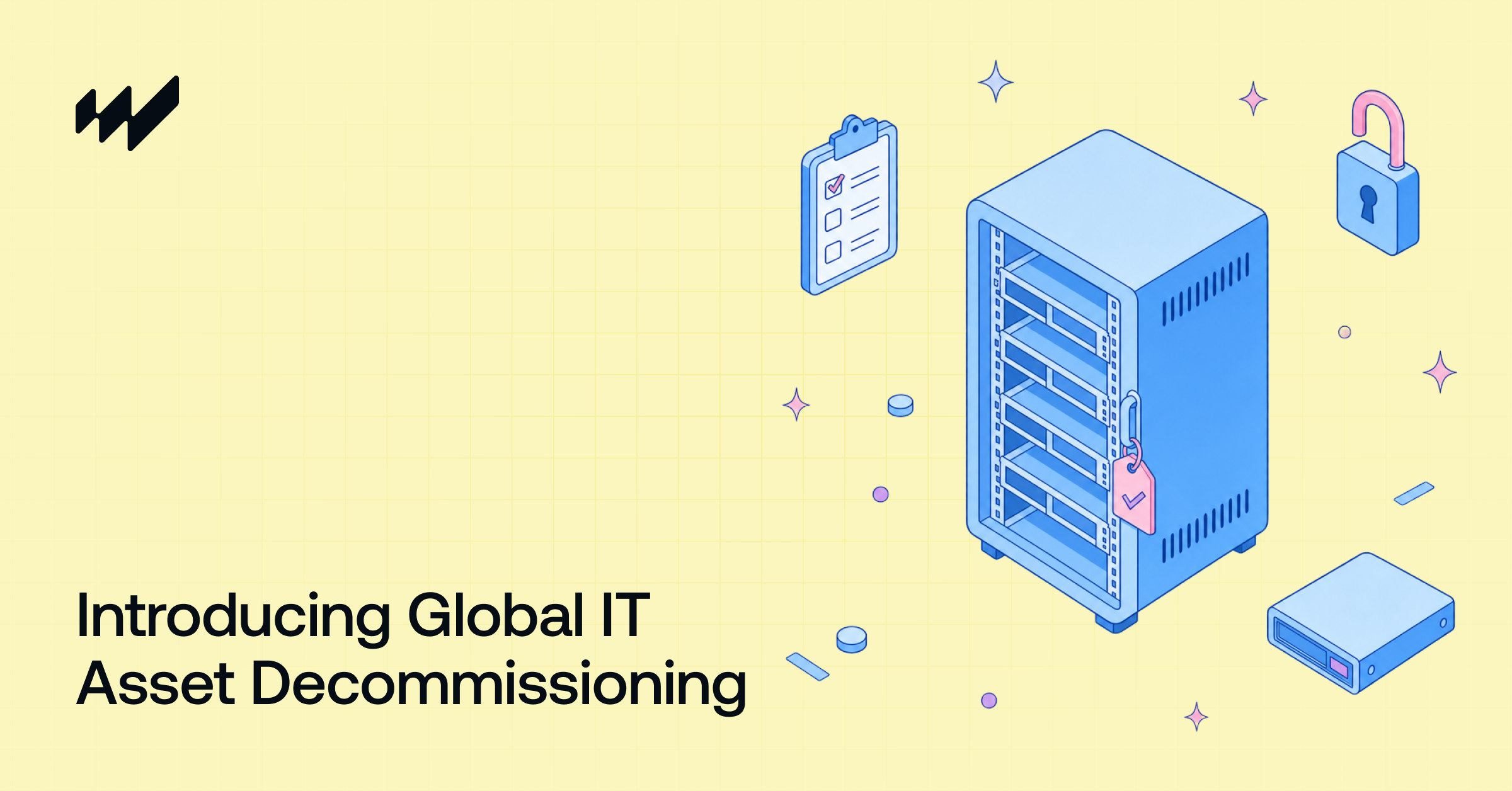
Learn how teams reduce costs and gain control across global operations.
.png?width=2880&height=1232&name=Group%202147262874%20(1).png)
.svg)
.png?width=172&height=68&name=apple%20business%20patner%20(1).png)
.svg)
.svg)
.svg)
.svg)